Top 10 Best Brushes for Under Eye Setting Powder

Time:2026-11-10 Author:Amelia
0%

Under-eye setting powder can soften shine and help concealer stay in place, but the brush matters. A bulky brush may sweep powder onto the cheeks, while a dense one can leave too much beneath delicate skin. The best choice depends on your powder, coverage preference, and how much control you want. Small details matter.

If you have ever wondered “what brush should i use for under eye setting powder,” start with shape and softness. A small tapered brush can reach the inner corner; a soft, fluffy brush can distribute a lighter veil. A compact brush offers precision, though it may deposit more product than expected. There is no single perfect option for every face, and even a careful application can crease.

This guide compares ten brushes by bristle feel, head shape, powder pickup, and ease of use. It also considers practical details, such as whether a brush fits beneath the eye without scratching or disturbing concealer. Use a light hand, tap off excess powder, and build coverage gradually. Less can be more. Results vary with skin texture and product formulas, so a brush that works beautifully for one routine may not suit another. The goal is not to mask every fine line. It is to find a comfortable tool that helps powder sit more evenly and makes your routine easier.
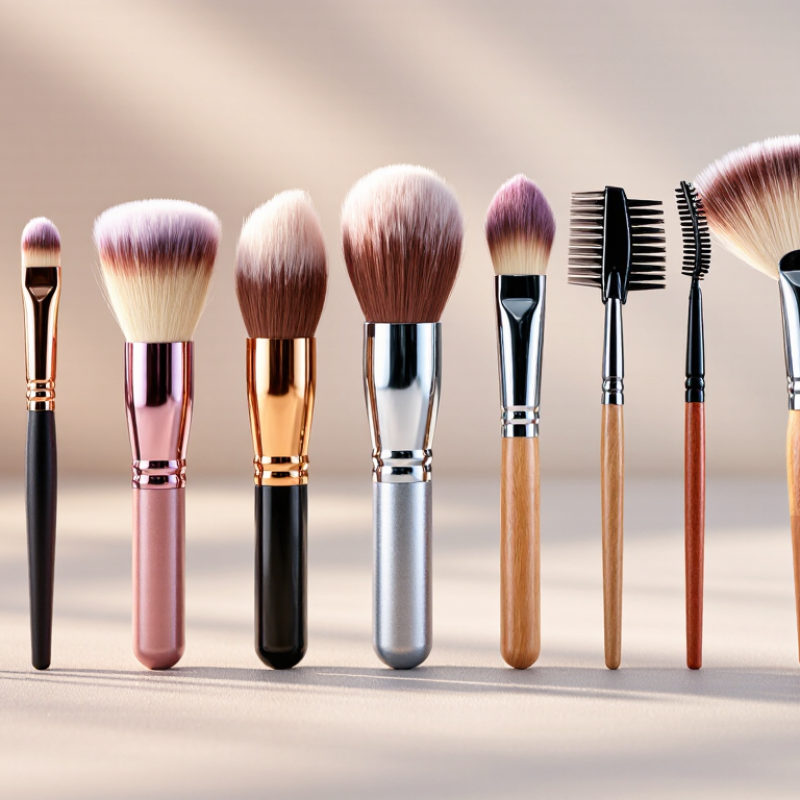
Top 10 Best Brushes for Under Eye Setting Powder

Understanding Under-Eye Setting Powder and Brush Design

Top 10 Best Brushes for Under Eye Setting Powder
Understanding Under-Eye Setting Powder and Brush Design

Under-eye setting powder helps reduce concealer creasing and shine, but too much can emphasize dry texture. The area is delicate. Brush design matters. A small, softly tapered head lets you place powder close to the lash line without sweeping it across the whole cheek. Low-to-medium bristle density can pick up less product, while flexible fibers help soften the edge. Synthetic bristles are often practical because they are easy to clean and don’t absorb much powder.

Circana’s 2023 U.S. prestige beauty report recorded 9% year-over-year growth in makeup sales. This is market data, not proof that one brush shape performs better. Still, it reflects continued interest in makeup tools and application. For under-eye use, a brush should feel controlled in the hand and fit comfortably beneath the eye. A large, dense face brush may deposit too much powder in one pass.

Tap excess powder from the brush before touching the skin. Then press lightly over areas where concealer tends to crease, rather than buffing back and forth. A pointed tip offers precision; a rounded tip can give a softer finish. There is no perfect shape. Even a well-designed brush can look cakey if the powder is heavy or the skin is dry, so test with a light layer and adjust slowly.

Key Criteria for Evaluating Under-Eye Powder Brushes

Key Criteria for Evaluating Under-Eye Powder Brushes

Choose control over softness alone. A compact, tapered head can reach the inner corner without sweeping powder across the lower lashes. Check whether the bristles bend gently, then spring back; overly dense fibers may leave a visible stripe. Small details matter. A short handle can steady the brush near the cheek, while a smooth ferrule helps prevent snagging delicate skin. Test it dry. Tap the brush once and observe how much powder falls away; heavy fallout may signal excessive pickup, not poor technique alone.

Circana reported that U.S. prestige beauty sales reached $31.7 billion in 2023, up 14 percent, while makeup sales rose 15 percent. McKinsey estimated that the global beauty market could reach $580 billion by 2027. These figures describe a growing category, not proof that any brush performs well. Judge practical details instead: does the brush distribute a thin veil, clean easily, and keep its shape after washing? A softer brush is not always better. I would also question claims of “zero creasing,” since skin texture, hydration, and powder formula all affect the finish. Test on one side first, in daylight, and compare the result after several hours.

Top 10 Best Brushes for Under-Eye Setting Powder

Key Criteria for Evaluating Under-Eye Powder Brushes

This editorial rubric prioritizes the qualities that matter when applying setting powder beneath the eyes. Scores represent relative importance on a 10-point scale, not laboratory test results or ratings of specific brushes.

Brush Shapes and Materials for Precise Powder Application

Top 10 Best Brushes for Under Eye Setting Powder: Brush Shapes and Materials for Precise Powder Application

Under-eye powder needs a light touch. A small tapered brush can reach the inner corner, while a short, rounded brush presses powder along the lower lash line. For broader coverage, a soft, flattened brush distributes a thin veil without dragging delicate skin. Synthetic bristles are easy to clean and work well with finely milled powder; natural bristles may feel softer, but quality and shedding vary. Shape matters more than a high bristle count. A dense brush can deposit too much product in one pass.

Market context helps explain the demand for these tools, not their performance. Grand View Research estimated the global makeup market at USD 42.5 billion in 2023. That figure covers makeup broadly, not under-eye brushes specifically. In practice, test the brush against the back of your hand: it should feel soft, with no sharp ferrule edge or loose bristles. I still find “precision” a little subjective. Eye shape and powder texture change what feels precise.

Tips: Tap excess powder off before touching the face. Use the tapered tip for creases, then feather outward with the brush’s side. If powder gathers in fine lines, use less; a smaller brush is not automatically gentler. Rinse bristles regularly and let them dry fully.

Top 10 Brushes for Setting Powder Under the Eyes

Top 10 Brushes for Setting Powder Under the Eyes

Setting powder under the eyes calls for control, not a large, dense brush. A compact head can reach beside the nose and along the lower lash line without disturbing concealer. Useful choices include a mini tapered brush, a small domed brush, a pencil brush, a short flat brush, and a soft pointed brush. A tiny fan brush, a rounded detail brush, a small fluffy blending brush, a narrow angled brush, and a miniature powder brush round out the ten shapes. Size and softness matter more than the label.

For a light dusting, tap a little finely milled powder into the lid, then pick up a small amount with the brush. Tap off the excess. Press gently where concealer tends to crease, often near the inner corner, and sweep away any visible residue. The mini tapered and pointed brushes offer precision; rounded and fluffy shapes can soften edges. Flat brushes may suit someone who prefers pressing powder rather than sweeping it. Go slowly. Too much powder can emphasize dry texture, even with a soft brush.

Check the bristles before buying: they should feel flexible, not scratchy, and return to shape after washing. A brush that is too fluffy may spread powder onto the cheek; one that is too firm can shift makeup. There is no perfect shape for every eye. I’d test the brush with a small amount first, since even careful application can look cakey when skin is dry or concealer is still damp. Don’t skip cleaning; leftover product can make precise placement harder.

How to Choose and Use the Right Under-Eye Brush

Choosing an under-eye brush starts with its shape and softness. A small, rounded brush fits beneath the eye without sweeping powder across the whole cheek. A tapered tip can reach the inner corner, while a compact, slightly flat head offers more control. Bristles should feel soft against the skin, not scratchy. Try the brush on the back of your hand before using it near your eyes.

Match the brush to your powder and preferred finish. A loose, fluffy brush picks up less product, which can help create a light veil. A denser brush may deposit more powder, so tap off excess before it touches your skin. Less is more. Press gently over areas that crease, rather than dragging the brush back and forth. Use a small amount, then check your makeup in natural light; a heavy layer can make fine lines look more noticeable.

Keep the brush clean and fully dry between uses, especially around the eyes. If the bristles shed, feel rough, or irritate your skin, stop using it and consider replacing it. Brush choice is personal: a shape that feels precise in your hand may feel awkward beneath one eye. I still find that easy to misjudge in a store, so a careful test matters more than appearance alone.

Top 10 Best Brushes for Under Eye Setting Powder — How to Choose and Use the Right Under-Eye Brush
No. Brush Style Typical Head Width Shape and Density Best For How to Use It
1 Small tapered blending brush About 8–12 mm Pointed, softly tapered head; light to medium density Precise powder placement beneath the lower lash line Pick up a small amount of finely milled powder, tap off excess, and press or lightly sweep over the area that creases.
2 Mini fluffy setting brush About 12–18 mm Rounded, airy head with flexible bristles Light, even setting across the full under-eye area Use a gentle sweeping motion from the inner corner outward. Choose this style when you prefer a soft, natural finish.
3 Small rounded dome brush About 10–16 mm Compact dome; medium density with a softly rounded edge Targeted setting around the sides of the nose and inner corners Press powder lightly into small areas rather than dragging the brush over concealer.
4 Mini fan brush About 20–35 mm Wide, flat fan with very soft, sparse bristles A sheer dusting of powder for dry or mature under-eyes Glide the fan lightly across the skin with minimal pressure. It is better for a subtle veil than for heavy powder application.
5 Small flat shader brush About 8–14 mm Flat, compact head with a softly rounded tip Pressing powder onto a specific crease-prone spot Load only the tip, remove excess, then gently press powder onto the skin without sweeping back and forth.
6 Short tapered detail brush About 5–9 mm Small, narrow point; soft bristles with controlled placement Very precise setting beneath the inner corner or along a fine crease Use a light touch and a small amount of powder. Avoid pressing the pointed tip into delicate skin.
7 Small oval blending brush About 12–20 mm Oval head with an even, moderately fluffy profile Blending powder smoothly across a wider under-eye area Use short, soft strokes and keep the brush moving to avoid depositing too much powder in one place.
8 Soft pencil brush About 5–10 mm Narrow, rounded tip; soft and relatively compact Setting a narrow strip close to the lower lashes Tap a little powder along the lash line, keeping product out of the eye and away from the waterline.
9 Small angled brush About 8–14 mm Slanted edge with soft, medium-density bristles Following the curve beneath the eye and reaching the outer corner Angle the shorter edge toward the lash line and use light pressing or sweeping motions; do not pull the skin.
10 Petite stippling brush About 12–18 mm Soft, loosely packed bristles designed for a light touch Applying a thin, buildable layer over concealer Use gentle tapping motions with minimal powder, adding another thin layer only if needed.

Choosing tip: These head-width measurements are approximate and vary by brush design. For delicate under-eye skin, a small, soft brush and a light hand usually offer more control. Pick up a little powder, tap off excess, and build gradually.

FAQS

What brush shape works well beneath the eyes?

A small, rounded head fits beneath the eye without sweeping powder across the cheek. A tapered tip can reach the inner corner.

How soft should the bristles feel?

They should feel gentle, not scratchy. Bend them lightly; they should spring back. Very dense bristles may leave a visible stripe.

How can I avoid applying too much powder?

Tap the brush once and check for falling powder. With a dense brush, tap off excess before touching your skin. Less is more.

Should I choose a fluffy or compact brush?

A loose, fluffy brush usually picks up less powder for a light veil. A compact, slightly flat head offers more control.

What is a gentle way to apply powder?

Use a small amount and press lightly over areas that crease. Avoid dragging the brush back and forth, which can disturb makeup.

How can I check the finish?

Look in natural daylight, then compare the result after several hours. Fine lines, skin hydration, and powder formula can all affect the finish.

How should I care for an under-eye brush?

Clean it regularly and let it dry fully before use. If the bristles shed, feel rough, or irritate your skin, stop using it.

Can I judge a brush by its appearance in a store?

Not reliably. Test it on the back of your hand first; I still find brush shapes easy to misjudge in a store.

Conclusion

Choosing the right brush can make under-eye setting powder look smooth and natural rather than dry or heavy. This guide explains how brush shape, density, softness, and material affect precision in the delicate area beneath the eyes. It also outlines key factors to consider, such as the size of the brush head, how much powder it picks up, and whether its bristles distribute product evenly without disturbing concealer.

A comparison of ten brush styles highlights options for different preferences and application techniques, from small tapered heads to soft, compact shapes. If you are wondering “what brush should i use for under eye setting powder,” consider your coverage needs, the texture of your powder, and how much control you want. The guide also offers practical tips for loading the brush lightly, applying powder with gentle pressing motions, and choosing a tool that feels comfortable and easy to clean.

Amelia

Amelia

Amelia is a seasoned marketing professional with a wealth of expertise in our company’s core offerings. With an unwavering passion for driving growth and innovation, she plays a pivotal role in shaping our marketing strategies and enhancing brand visibility. A key aspect of her responsibilities......