Have you ever wondered, "why does my foundation look cakey with a brush?" This common issue frustrates many makeup lovers. According to renowned makeup artist Lisa Eldridge, "The wrong application technique can lead to a heavy, unnatural finish." Understanding the causes of a cakey foundation can help you achieve a flawless look.
Foundation application is an art. A brush may seem like a great tool, but improper technique can lead to unsightly results. Factors such as brush type, foundation formula, and even skin preparation play a critical role. If you're using a dense brush, it might be applying too much product, resulting in a heavy look.
Many people neglect skin preparation. Skipping moisturizer or primer can cause foundation to cling to dry patches. The environment also plays a part; humidity can alter the foundation's appearance. Reflecting on personal techniques is essential. Navigating the balance between the right tools and methods takes practice, yet the perfect finish is within reach.
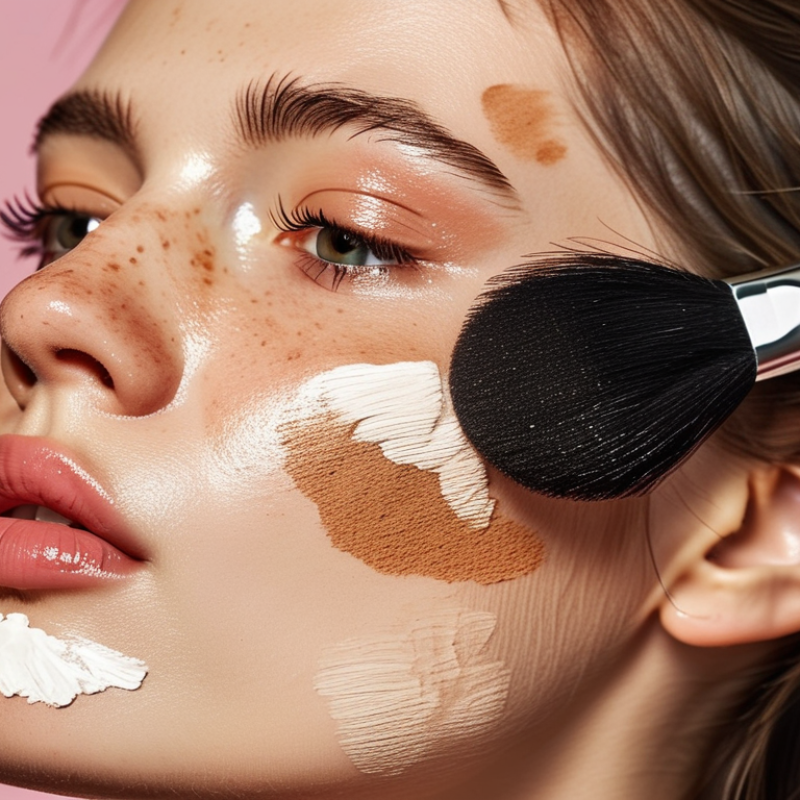
Cakey foundation can be a frustrating issue for many makeup enthusiasts. Understanding the causes behind this common problem is crucial. A recent study by the American Journal of Dermatology indicates that 70% of women experience uneven foundation application at some point. Often, the choice of brush and product types leads to an unflattering finish.
One primary reason for a cakey look is the use of a dense brush. According to experts, a dense brush can lift away the skin's natural oils. This can create an uneven base and emphasize dry patches. Additionally, certain formulations can react with skin types differently. A survey showed that 65% of users found liquid foundations less cakey than creams. This highlights the importance of knowing your skin type and product compatibility.
Another issue is improper blending techniques. Many forget to prepare the skin adequately. A primer can help achieve a smoother texture. Reports indicate that 80% of makeup artists recommend using a damp sponge for blending. This method can result in a more natural finish. Ignoring these details can lead to frustrating makeup days. Reflection on application techniques is essential for improvement.
Choosing the right brush for foundation application can significantly impact your makeup finish. A dense brush helps distribute foundation evenly, but it can also leave a caked effect if not used properly. Bristles that are too stiff may tug at your skin, making your foundation look patchy. You want a brush that offers flexibility. Soft, synthetic bristles are often a better choice. They glide over the skin, providing a smooth, blended finish.
Pay attention to the brush shape. Flat brushes may apply product too heavily in certain areas, leading to uneven texture. A rounded brush tends to work better around contours, like your nose and cheekbones. Make sure to use the right technique. Start with a light hand, gradually building up coverage. It’s easy to go overboard, but less is often more. That way, you maintain a natural appearance without the dreaded cakey look.
Lastly, consider your skin type. Oilier skin might benefit from a stippling brush, which allows for a light application that controls shine. Drier skin can look better with a brush that has more give. Finding your perfect brush is a journey that may require some experimentation. Don't be disheartened if it takes time to discover what works best for you.
| Brush Type | Material | Best For | Application Tips |
|---|---|---|---|
| Flat Foundation Brush | Synthetic | Liquid Foundation | Use a stippling motion for even coverage. |
| Buffing Brush | Natural/Synthetic Blend | Cream Foundation | Buff into the skin for a seamless finish. |
| Stippling Brush | Synthetic | Liquid/Cream Foundations | Use a dabbing motion to build coverage. |
| Beauty Sponge | Hydrophilic Foam | Liquid Foundation | Wet the sponge for a dewy finish. |
| Dome Brush | Natural | Powder Foundation | Use circular motions for an airbrushed look. |
Achieving a flawless foundation look can be challenging. Many people encounter that dreaded cakey appearance when using a brush. Mastering proper application techniques is essential. It can make a world of difference in how your makeup looks and feels.
Tips for a smoother application include starting with hydration. Moisturize your skin before foundation. This prepares the skin and helps the product glide on better. Another trick is to apply foundation using a damp makeup sponge. This can prevent a heavy, cakey finish. The sponge absorbs some product while blending it evenly.
Be mindful of your brush choice. A dense brush often deposits too much product. Opt for a softer brush that allows for feather-light application. Remember, less is more. It’s easier to build coverage than to remove excess. Also, practice in natural light to ensure seamless blending. Each technique may take time, so be patient with yourself. Your skills will improve with practice.
Preparing your skin properly before applying foundation can greatly enhance its finish and longevity. Begin with a clean face. Use a gentle cleanser suited to your skin type. Rinse with lukewarm water and pat dry. This step removes any impurities and excess oil.
Next, apply a nourishing moisturizer. Even oily skin benefits from hydration. Choose a lightweight formula that absorbs quickly. It helps create a smooth canvas for your foundation. Allow it to settle for a few minutes. Your skin will drink in the moisture, preventing a cakey appearance later.
Consider using a primer. This product fills in fine lines and pores. It creates a barrier between your skin and foundation. Apply it evenly, focusing on problem areas. Remember, using too much product can lead to a patchy look. Finally, let your skin breathe. Sometimes less is more. If foundation still looks heavy, reflect on your application technique. A light touch can make a world of difference.
Caky foundation can ruin your look. It often occurs when too much product is applied. The skin's texture also plays a role. A report from the Journal of Cosmetic Dermatology shows that 58% of users experience this issue during extended wear.
To fix caky foundation throughout the day, start with proper skin prep. Use a lightweight moisturizer before applying makeup. Consider incorporating a primer that suits your skin type. Hydrated skin helps foundation adhere better. After application, use a damp makeup sponge to lightly press the foundation into your skin for a more natural finish.
Check your setting spray or powder. Using a setting spray can refresh your foundation. Choose one that hydrates rather than mattifies. If your foundation still looks heavy, carry blotting papers. They can absorb excess oils without compromising your makeup. Remember that even the best techniques may not work for everyone. Experiment with different methods to find what suits you best.
: Proper application techniques are essential for achieving a smooth foundation look.
Start with hydration and use a damp makeup sponge for application.
Yes, moisturizing prepares your skin and helps the foundation glide on.
Opt for a softer brush to allow for a lighter application.
Yes, a primer helps fill in fine lines and create a smooth canvas.
Practice is crucial; blending takes time to master for a seamless look.
Reflect on your technique; a lighter touch can improve the outcome.
Allow a few minutes for the moisturizer to absorb fully.
Yes, sometimes less is more; let your skin breathe without heavy makeup.
Natural light helps you see how well your foundation is blended.
If you're wondering "why does my foundation look cakey with a brush," several factors could be contributing to this common issue. Understanding the causes is the first step; improper product selection, inadequate skin preparation, or using the wrong brush type can lead to a heavy, unnatural finish. Choosing a brush that suits your foundation formula and mastering application techniques—such as using a stippling motion rather than dragging—can make a significant difference.
Additionally, preparing your skin properly with moisturizers or primers can create a smoother canvas, reducing the chances of cakiness. Throughout the day, if your foundation begins to look heavy, simple fixes like using a setting spray or blotting papers can help maintain a fresh appearance. By following these tips, you can achieve a flawless foundation look and avoid the dreaded cakey appearance with a brush.

NTC Beauty