Makeup brushes are essential tools for achieving flawless beauty looks. Yet, many people wonder, "why are my makeup brushes shedding so much?" Industry expert, Jenna Lee, a renowned makeup artist, has noted, “Shedding brushes can be a sign of poor quality, but there are other factors at play.” This statement highlights the complexity behind brush maintenance.
Several reasons can lead to excessive shedding. Improper cleaning methods may cause bristles to loosen and fall out. Using harsh soaps can weaken the glue that holds bristles in place. Additionally, overloading brushes with product can create unnecessary tension, resulting in bristle loss. It's crucial to invest in quality brushes and understand how to care for them properly.
It's frustrating to deal with shedding brushes. Not only does it affect application, but it also questions the longevity of your tools. Finding out why your brushes are shedding can lead to better choices in both product and care. Taking time to reflect on your brush maintenance routine could save you money and improve your makeup experience significantly.
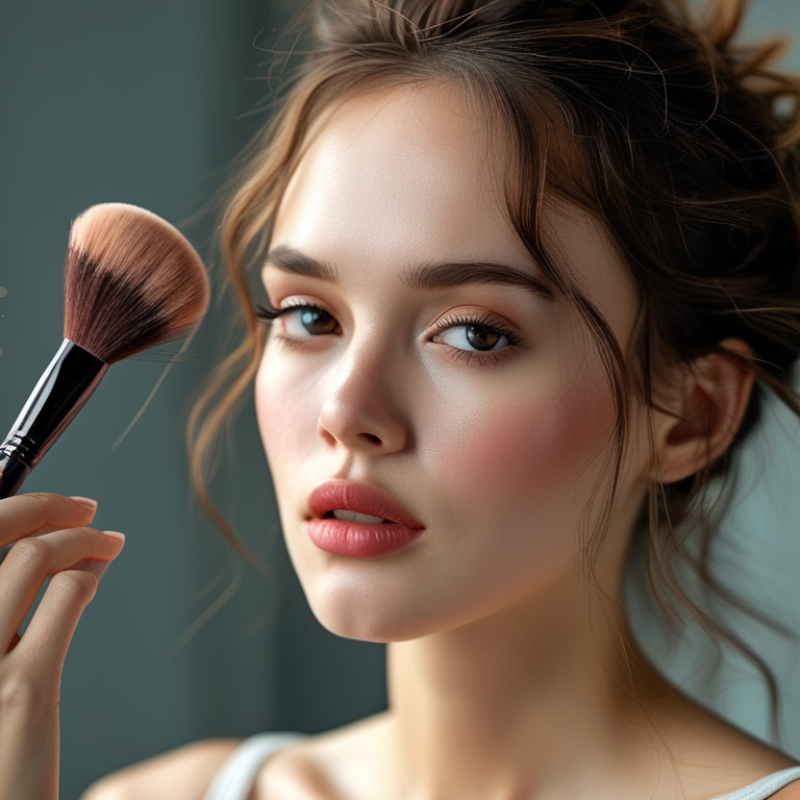
Hair shedding in makeup brushes can be frustrating. Many users notice this issue shortly after purchase. According to a study by the Cosmetic Ingredient Review, almost 30% of makeup brush users reported shedding as a primary concern. Understanding the causes of shedding is crucial.
Brush shedding can occur due to various factors. One significant reason is the quality of the bristles. Natural hair brushes tend to shed more than synthetic ones. A survey by makeup artists revealed that 70% prefer synthetic brushes for their durability and less shedding. The glue used in the construction of brushes can also weaken over time, contributing to bristle loss.
Improper cleaning techniques can exacerbate the problem. Using harsh soaps or aggressive scrubbing can loosen the bristles. The American Academy of Dermatology suggests gentle cleaning with mild detergents. It's recommended to wash brushes regularly, but not too frequently. Over-washing can risk bristle integrity. Moreover, heat from blow dryers can damage the glue, leading to shedding as well. Adjusting your cleaning practices may help mitigate this issue.
| Reason | Description | Solutions |
|---|---|---|
| Poor Quality | Brushes made from low-quality materials tend to shed more. | Invest in good quality brushes. |
| Improper Cleaning | Not cleaning brushes regularly can lead to shedding. | Use a gentle cleanser and clean brushes weekly. |
| Excessive Pressure | Applying too much pressure can loosen bristles. | Use gentle application techniques. |
| Age of Brushes | Old brushes may naturally shed over time. | Replace brushes every few years. |
| Improper Storage | Storing brushes incorrectly can cause shedding. | Store brushes upright in a holder. |
| Wrong Brush Type | Using the wrong type of brush for products can cause bristle damage. | Choose brushes suited for specific products. |
| Low Moisture | Dry conditions can make bristles brittle and prone to shedding. | Keep brushes in a humidified environment. |
| Synthetic vs. Natural Hair | Natural hair brushes may shed more than synthetic. | Consider using synthetic options for less shedding. |
| Manufacturing Defects | Some brushes may have defects leading to shedding. | Check for defects before purchasing. |
: Brush shedding can occur due to bristle quality, glue weakening, or improper cleaning techniques.
Use gentle cleansers and avoid harsh soaps. Regular, careful cleaning helps maintain bristle integrity.
Wash your brushes at least once a week to reduce buildup and prolong their lifespan.
Use lukewarm water, as hot water can weaken the glue holding the bristles in place.
Store brushes upright in containers to keep their shape and avoid squashing the bristles.
If you notice shedding on your face or palette, or uneven application, it may be time for replacement.
Using old brushes can lead to poor makeup application and frustrating experiences with shedding.
Yes, the heat from blow dryers can damage the glue in brushes, leading to more shedding.
Regularly check for signs of wear, like small shedding, which indicates the need for careful usage.
Over-washing can damage bristles. It's essential to find a balance in brush cleaning habits.
Understanding why are my makeup brushes shedding so much is crucial for maintaining an effective makeup routine. Hair shedding in makeup brushes can occur due to various factors, including the quality of the materials used, the frequency of use, and improper care techniques. Cheaper brushes often shed more due to loose ferrules and poor glue quality, while natural hair brushes may also experience shedding as they age.
To minimize shedding, it's essential to implement proper brush care techniques such as regular cleaning and gentle handling. Additionally, recognizing when it's time to replace your brushes is important; if shedding becomes excessive or affects performance, it may be time for an upgrade. By addressing these common causes and practicing good maintenance, one can prolong the life of their makeup brushes and enjoy a flawless application.

 NTC Beauty