How to Store Makeup Brushes to Prevent Bacteria Growth?

Time:2026-07-03 Author:Isabella
0%

Proper care for makeup brushes is essential for maintaining skin health. It's crucial to know how to store makeup brushes to prevent bacteria. When brushes are kept in improper conditions, they can become a breeding ground for germs. This can lead to skin irritation, breakouts, and infections.

Cleaning brushes regularly is a key step, but storage is often overlooked. Many people leave brushes scattered or crammed in bags. This makes them more likely to collect dust and bacteria. Storing them upright in a clean, dry container keeps bristles safe and maintains their shape. Using a breathable material can also help.

A common mistake is not considering humidity. Humid environments encourage bacterial growth. Therefore, ensure storage areas are well-ventilated. Regular inspections of your brushes can help identify any issues early. Remember, the way you store your brushes directly impacts their longevity and your skin's health. Proper storage supports daily makeup application and rejuvenates your beauty routine.
How to Store Makeup Brushes to Prevent Bacteria Growth?

Choosing the Right Storage Container for Makeup Brushes

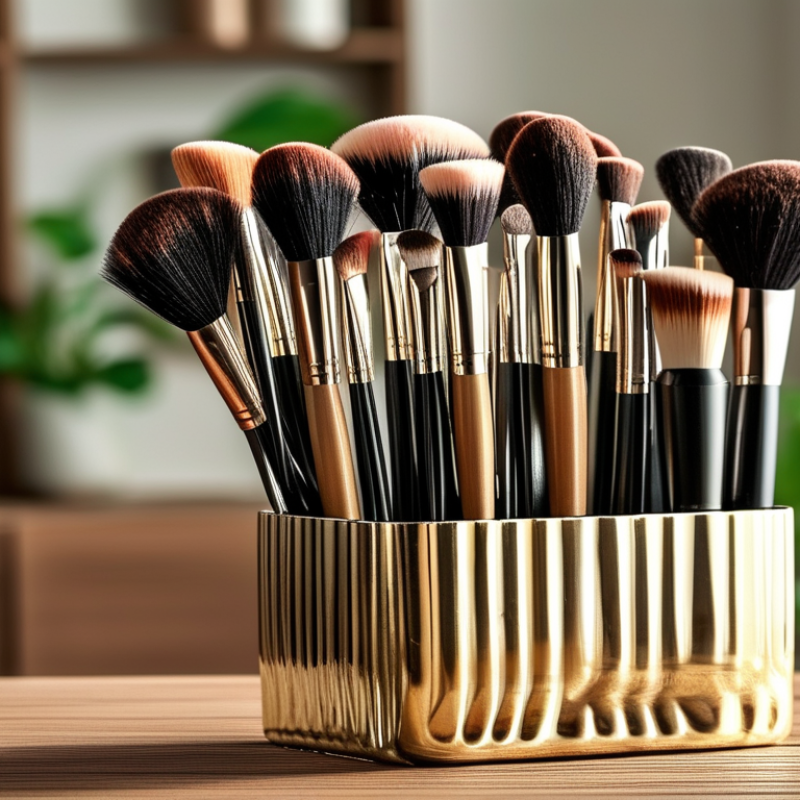
Choosing the right storage container for makeup brushes is crucial. It’s not just about aesthetics; it’s about hygiene and longevity. Clear acrylic holders are popular. They allow you to see your brushes easily. You can also consider a jar made of glass. Glass is non-porous and easy to clean.

Think about ventilation too. Avoid tightly closed containers that trap moisture. Moisture can encourage bacteria growth, leading to skin issues. A container with holes or an open design is beneficial. It lets brushes breathe and stay dry.

Also, consider the size of your brushes. Some containers may be too small for larger brushes. You want them to fit comfortably without bending the bristles. It's a challenge to maintain the integrity of your brushes in the wrong storage. Reflect on your current setup and look for areas to improve. Observing how your brushes currently sit can lead to better choices in storage solutions.

Makeup Brush Storage Efficiency vs. Time

Cleaning Your Makeup Brushes Regularly to Prevent Bacteria

Cleaning your makeup brushes regularly is essential for healthy skin. Brushes collect makeup residue, oil, and dead skin cells over time. These substances create an ideal environment for bacteria to thrive. When you use dirty brushes, you risk irritating your skin or causing breakouts. It’s necessary to develop a routine for keeping your brushes clean.

Many people overlook brush cleaning. Some might wash them once a month, but that isn’t enough. Aim for a weekly wash to ensure bacteria stay at bay. Use lukewarm water and mild soap. Rinse thoroughly to remove all soap residue. After cleaning, reshape the bristles and lay them flat to dry. This prevents water from seeping into the handle, which can weaken the glue.

If you notice your brushes are stained or have a strange smell, it’s time for a deep clean. A good practice is to alternate between general cleaning and deep cleaning. By reflecting on your cleaning habits, you’ll improve your overall skincare routine. Keeping brushes clean isn’t just about aesthetics; it’s about taking care of your skin.

Proper Drying Techniques After Cleaning Makeup Brushes

Properly drying your makeup brushes after cleaning is vital for preventing bacteria growth. Wet brushes can trap moisture, creating an inviting environment for harmful germs. According to the American Academy of Dermatology, nearly 80% of skin infections may be linked to dirty makeup tools. Therefore, establishing efficient drying techniques is crucial for maintaining both skin health and brush longevity.

After cleaning, gently reshape the bristles to their original form. Lay the brushes flat on a clean towel. This position helps prevent water from seeping into the ferrule, where it can weaken the adhesive. Placing brushes upright in a cup can lead to damage. A 2019 study found that brushes left wet in an upright position had a significant increase in bacteria, highlighting the importance of mindful drying habits.

Air drying in a well-ventilated space is essential. Avoid using heat sources like hair dryers, as they can distort the bristles. Instead, consider placing the brushes near a window. Make sure they are distance-appropriate from sunlight, which could dry the adhesive, causing bristles to fall out. Regularly inspect your brushes for any signs of wear. Keeping a close eye can make a difference in your beauty routine's hygiene.

Optimal Storage Locations to Maintain Brush Hygiene

Choosing the right location to store your makeup brushes is crucial. Ideally, brushes should be kept in a dry, cool place away from direct sunlight. Humidity can invite bacteria, making it perfect for mold and mildew. Consider using a drawer or a closed container. This will provide protection while allowing brushes to breathe.

Avoiding common mistakes is essential. Many people store brushes upright in cups, which can lead to bristles bending and dust accumulating. Instead, place them laying flat or in a container with dividers. This method keeps them clean and intact. Additionally, regular cleanings are vital. A brush can harbor oils and skin cells, creating a breeding ground for germs.

While you may think your brushes are safe, a cluttered space can be deceiving. Make time to assess your storage setup. If it feels unhygienic, it likely is. Take periodic inventory of your storage solutions. Over time, bacteria can grow in unnoticed spots, prompting a reassessment of your practices. Keeping your brushes in pristine condition goes beyond storage; it requires vigilance and dedication.

How to Store Makeup Brushes to Prevent Bacteria Growth?

Storage Location Temperature Control Humidity Level Exposure to Light Accessibility
Drawer Moderate (15-25°C) Low (<50%) Low Good
Brush Holder Cool (20°C) Moderate (50-70%) Medium Excellent
Cupboard Stable (18-22°C) Low (<50%) Low Moderate
Makeup Bag Variable Variable High Fair
Vanity with Lid Cool (20°C) Low (<50%) Low Good

Signs Your Makeup Brushes Need Replacement or Deep Cleaning

Makeup brushes are often overlooked when considering personal hygiene. Yet, a study by the American Academy of Dermatology reveals that 70% of makeup-related breakouts stem from dirty brushes. The buildup of makeup, oil, and skin cells serves as a breeding ground for bacteria. Therefore, recognizing the signs your brushes need replacement or deep cleaning is essential for maintaining skin health.

If your brushes have frayed bristles or an unusual odor, it’s time for action. The bristles should feel soft and flexible. A simple test is to rub them on your skin. If they irritate your face, that’s a clear sign they need to be cleaned or replaced. According to the Journal of Clinical and Aesthetic Dermatology, 90% of users fail to clean their brushes regularly, which can lead to skin irritation and infections.

Inspect the color of your brushes, too. If foundation or eyeshadow staining remains after washing, it may indicate deeper residue. Regular deep cleaning, ideally once a week, helps mitigate these issues. Realistically, many users clean their brushes only once a month, which is insufficient. Reflect on your routine; are you prioritizing proper makeup brush care? Your skin may be paying the price.

FAQS

: Why is it important to dry makeup brushes properly after cleaning?

: Proper drying prevents bacteria growth. Wet brushes trap moisture, creating ideal conditions for germs.

What is the best position to dry makeup brushes?

Lay brushes flat on a clean towel. This prevents water from seeping into the ferrule, which can weaken the adhesive.

Can I place brushes upright in a cup to dry?

No, this can cause damage. A study found that wet brushes upright had increased bacteria growth.

How should I store my makeup brushes to maintain hygiene?

Keep brushes in a cool, dry place away from direct sunlight. A drawer or closed container is ideal.

What common mistake do people make when storing brushes?

Many store brushes upright in cups, leading to bent bristles and dust. Lay them flat or use a divider instead.

How often should I clean my makeup brushes?

Ideally, clean them weekly. Many users only clean once a month, which is insufficient for hygiene.

How can I tell if my makeup brushes need replacement?

Look for frayed bristles or unusual odors. If they irritate your skin, it’s time to clean or replace them.

Why do makeup brushes sometimes retain color after cleaning?

This may indicate deeper residue. Regular deep cleaning helps, but many users neglect this routine.

Is it possible that my brushes are unhygienic without me realizing it?

Yes, cluttered storage can hide bacteria. Regularly assess your tools and storage for cleanliness and order.

How can I ensure proper care for my makeup brushes?

Stay vigilant with regular cleaning and inspections. Reflect on your routine; prioritize your brushes to maintain skin health.

Conclusion

To effectively learn how to store makeup brushes to prevent bacteria growth, it is essential to start by selecting the right storage container. Opt for materials that allow for airflow, which helps keep brushes dry and clean. Regular cleaning is another critical step; makeup brushes should be washed with suitable cleansers to eliminate makeup residue and bacteria. After cleaning, proper drying techniques, such as laying the brushes flat or drying them in an upright position, ensure their longevity and cleanliness.

Storage locations play a significant role in maintaining brush hygiene. Keep brushes in cool, dry places away from direct sunlight and humidity. Lastly, it's important to monitor the condition of your brushes; signs of wear or build-up indicate they may need replacement or a more thorough cleaning. By following these guidelines, you can maintain your makeup brushes and minimize health risks associated with bacteria.

Isabella

Isabella

Isabella is a dedicated marketing professional with a sharp focus on driving brand growth and engagement through strategic content creation. With an extensive background in digital marketing, she combines her passion for storytelling with her keen understanding of industry trends to deliver......