In the world of makeup, mastering techniques can elevate your look. One tool that stands out is the versatile eyeshadow brush. According to a 2021 report by the Professional Beauty Association, over 60% of makeup enthusiasts prefer simple application methods. This trend underscores the importance of learning how to apply eyeshadow with only one brush.
Expert makeup artist Jamie Green emphasizes, "Less is often more when it comes to brushes. With the right technique, one brush can do it all." This statement reflects a shift towards minimalism in makeup routines, allowing individuals to achieve sophisticated looks without clutter.
However, despite its advantages, using just one brush can be challenging. Precision and blending require practice. Beginners may struggle, leading to uneven application or mixed colors. Embracing this learning curve can enhance your skills and build confidence. Exploring various techniques, like layering and blending, can transform your approach. In essence, the journey towards mastering eyeshadow application with a single brush is continuous and rewarding.
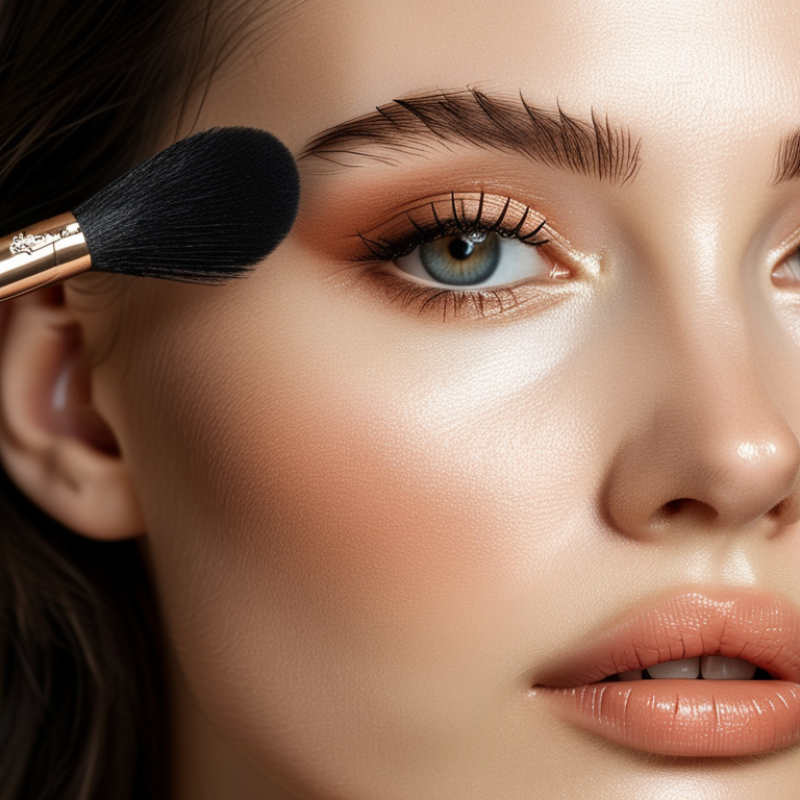
Using a single eyeshadow brush can seem limiting, but it opens up a world of creativity. With the right technique, you can achieve various looks from bold to subtle. The key is understanding how to manipulate the brush and product for different effects.
Experiment with the angle of your brush. Tilting it allows for softer blends while using it straight can create defined lines. Apply a light pressure when you want a sheer wash of color, and use more pressure to build intensity. Clean the brush between colors to prevent muddy shades.
Don’t hesitate to try unconventional techniques. For instance, use the same brush to apply eyeshadow on your lower lash line and blend until it feels seamless. While this may lead to some unexpected results, it can also inspire unique creativity. Embrace these moments of imperfection – they can lead to exciting discoveries in your beauty routine.
| Tip Number | Technique | Description |
|---|---|---|
| 1 | Basic Application | Start with a base color applied all over the lid. |
| 2 | Layering Techniques | Build depth by layering shades from light to dark. |
| 3 | Blending | Use circular motions to blend colors seamlessly. |
| 4 | Using the Tip for Detail | Utilize the brush tip for precise application on the crease. |
| 5 | Creating an Ombre Effect | Blend different shades to achieve a gradient look. |
| 6 | Highlighting | Apply a lighter shade to the inner corners and brow bone. |
| 7 | Transition Shades | Use a medium shade to transition between light and dark colors. |
| 8 | Fixing Mistakes | Use a clean brush to correct any harsh lines or smudges. |
| 9 | Setting the Look | Finish with a setting spray to lock in the makeup. |
| 10 | Experimentation | Don’t be afraid to try new combinations and techniques! |
: The right brush affects the look of your eyeshadow significantly. It can determine blending and color application.
A soft, fluffy brush is ideal for blending. It helps create a seamless transition between colors.
Yes, flat brushes are great for packing on bold colors, but they may not blend as easily.
Clean your brush regularly. Deep cleaning every two weeks is recommended for optimal use.
Product buildup can hinder blendability and affect color payoff. Dirty brushes can lead to uneven application.
Store it in a dry, clean place, like a holder. Avoid your makeup bag to prevent dust and bacteria.
Occasionally check for bristle damage. Worn brushes can apply shadows unevenly, impacting your makeup results.
Yes, cheap brushes may shed bristles or lose shape quickly. Investing in quality brushes can improve application.
Experimenting with different brushes can introduce new techniques. Reflection on your current method can also help.
In the article "Top 10 Tips for Applying Eyeshadow with One Brush," readers are introduced to the effective use of a single eyeshadow brush for versatile application. It begins with understanding the importance of selecting the right brush suited for various eyeshadow techniques. The article emphasizes how to apply eyeshadow with only one brush by exploring several blending techniques that allow for a seamless finish.
Additionally, readers learn about layering colors to create depth and dimension without needing multiple tools. The importance of cleaning and maintaining the brush is also highlighted, ensuring optimal use and longevity. Overall, the article provides practical insights into mastering eyeshadow application efficiently and creatively with just one brush.

 NTC Beauty