Traveling with a light-up makeup mirror seems simple until the glass shifts, the cable bends, or the battery drains mid-journey. A compact mirror can still become vulnerable inside an overfilled suitcase. Understanding how to travel with a light up makeup mirror safely helps protect the mirror, your other belongings, and your morning routine. This guide focuses on practical preparation, careful packing, power safety, and sensible handling from departure to arrival.
The best approach begins before leaving home. Check the mirror for cracks, loose hinges, exposed wires, or a swollen rechargeable battery. Do not pack damaged electronics. Remove detachable batteries when the manufacturer allows it, and follow your carrier’s current instructions for power banks. Policies can differ, so verify them before flying. A padded case, soft clothing, and a firm position near the top of your luggage can reduce pressure on the glass. Keep the charging cable separate and untangled. Small details matter.
In real travel, plans change. A suitcase may be checked unexpectedly, or a hotel bathroom may have a damp counter. Keep the mirror dry, switch it off before storage, and avoid charging it unattended. I have found that extra protection can sometimes create pressure when the mirror is wrapped too tightly. That is an easy mistake to overlook. The seven methods ahead explain safer choices while acknowledging that no packing method removes every risk.
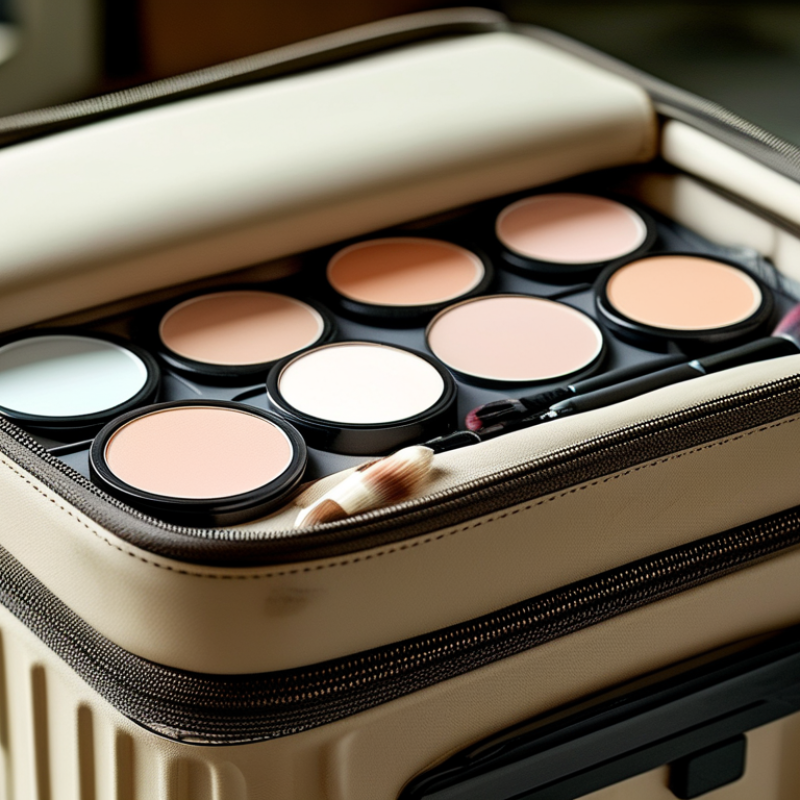
Choosing a travel-friendly light up makeup mirror begins with weight and size. A compact model should fit beside a toiletry bag, not dominate it. Look for a foldable design with a firm hinge and a protective cover. A mirror around 20 centimeters wide is usually easier to pack. Check the glass for clear, undistorted reflection. This matters when applying eyeliner or checking small areas of skin.
Tips: Choose adjustable brightness for hotel rooms and dim train cabins. A rechargeable battery reduces loose cables, but check its charging time before departure. Pack the mirror between soft clothes, away from shoes and metal items. Test the hinge and light settings at home. Small checks prevent annoying surprises.
I also prefer a stable base, especially when using unfamiliar desks. Rubber feet can stop sliding on polished surfaces. A travel mirror should stay usable without a wall outlet. However, brighter lighting is not always better; harsh light can make makeup look uneven outdoors. I once chose the lightest mirror available and regretted its fragile hinge. It saved space, but careful packing became necessary. A slightly heavier model may offer better protection and steadier positioning. Look for simple controls that work with dry hands, and keep the mirror away from water during use.
| No. | Safe Travel Method | Recommended Specification | Practical Benefit | Important Safety Check |
|---|---|---|---|---|
| 1 | Choose a compact folding mirror | A folded size that fits easily inside a personal bag, with a protective cover or hard shell. | Reduces packing space and helps protect the reflective surface from scratches and pressure. | Check that hinges close securely and that the mirror does not open when compressed by clothing. |
| 2 | Prefer USB-rechargeable lighting | A built-in rechargeable battery and a standard USB charging cable. | Avoids carrying disposable batteries and makes charging possible from common travel adapters or power banks. | Inspect the cable and charging port before departure; do not charge a damaged or swollen battery. |
| 3 | Pack the mirror in carry-on luggage | Place the mirror between soft clothing layers in a dedicated padded compartment. | Keeps the device accessible and reduces the risk of impact, crushing, or loss during checked-baggage handling. | Keep loose spare lithium batteries and power banks in carry-on baggage, not checked baggage. |
| 4 | Use adjustable brightness | Select a mirror with multiple brightness levels rather than a single high-intensity setting. | Allows comfortable use in dim hotel rooms, trains, or other temporary spaces while conserving battery power. | Avoid staring directly into bright LEDs and reduce brightness when the mirror is close to the face. |
| 5 | Protect the mirror from liquids | Store it in a sealed pouch, away from toiletries, cosmetics, and wet towels. | Prevents moisture, makeup residue, and spilled liquids from reaching the electronics or reflective surface. | Dry the mirror completely before charging or switching it on; use only a lightly damp, soft cloth for cleaning. |
| 6 | Prevent accidental activation | Choose a model with a physical power switch, travel lock, or button-lock function. | Stops the light from turning on inside a bag, which helps prevent heat buildup and unnecessary battery drain. | Turn the mirror fully off before packing and keep the power button away from hard objects. |
| 7 | Check battery and airline requirements | Confirm the battery rating in watt-hours (Wh) and review the current rules of every airline used. | Helps prevent delays at security and ensures the mirror can be transported legally. | Spare lithium-ion batteries and power banks are generally required in carry-on baggage; airline limits and approval requirements may vary. |
Travel note: Battery and baggage regulations can differ by airline, airport, country, and battery capacity. Check the latest official guidance before departure.
Choose a compact mirror around 20 centimeters wide. It should fit beside a toiletry bag. A foldable design saves space. However, smaller mirrors may feel cramped during detailed makeup work.
Check the reflection for clarity and distortion. Test the hinge, lighting controls, and charging port. A firm hinge helps the mirror stay positioned. I once valued light weight too much and regretted the fragile hinge.
Yes, adjustable brightness helps in dim hotel rooms or train cabins. Use softer light when possible. Very bright light can make makeup appear uneven outdoors. Brighter is not always better.
Turn it off and wrap it in a soft microfiber cloth. Place it inside a rigid, padded case. Keep it between folded clothes, away from shoes and heavy objects. Do not force the suitcase closed.
Hand luggage may reduce pressure and rough handling. Keep the mirror upright when possible. Check current carrier rules for batteries and electronic devices. Rules can change.
Remove detachable batteries when the instructions allow it. Cover loose battery terminals with tape or use a small plastic case. Keep batteries away from coins, keys, and metal cosmetics. Coil the cable loosely.
Use a dry outlet with a secure connection. Check voltage and plug compatibility before traveling internationally. A plug adapter may not change voltage. Avoid charging overnight or connecting multiple adapters.
Look for cracked glass, exposed wires, swelling, heat marks, or damaged insulation. A loose charging port also needs attention. Do not use a damaged mirror. Not even briefly.
Choose a stable base with rubber feet. Place it on a dry, level surface. Simple controls should work with dry hands. Keep the mirror away from water.
Inspect the glass, hinge, lights, and charging port. Check that the case closure stayed secure. Test the power switch before applying makeup. I once skipped that check, and the battery drained inside the case.
Learning how to travel with a light up makeup mirror safely starts with choosing a compact, lightweight model with a sturdy frame, a protective cover, and a reliable power option. Before packing, turn off the mirror, remove detachable parts, and wrap the mirror and accessories separately in soft clothing or padded material. Keep batteries in a secure case, prevent loose terminals from touching metal objects, and coil cords without sharp bends. If the mirror uses a rechargeable battery, fully charge it before departure and carry it in a way that protects it from pressure and moisture.
During transit, place the mirror in a firm compartment where it will not be crushed, shaken excessively, or exposed to liquids. Avoid overpacking around the glass and keep the mirror upright whenever possible. At your destination, inspect it for cracks, loose components, or damaged cables before use. Set it on a stable, dry surface, connect the power carefully, and stop using it if you notice unusual heat, odors, flickering, or damage.

 NTC Beauty