The beauty industry often scrutinizes the pricing of professional makeup brushes. Many wonder, “why are professional makeup brushes so expensive?” According to a report by industry analyst Beauty Insights, high-quality brushes can cost anywhere from $25 to over $200 each, depending on the materials and craftsmanship involved. Renowned makeup artist Lisa Eldridge explains, “The precision of a makeup brush directly impacts your application, and better tools yield superior results.”
The price of professional brushes stems from advanced technology and superior materials. Many brushes use synthetic or animal hair, which must be carefully sourced and processed. A recent survey from the Professional Beauty Association indicates that better brushes can last years longer than their cheaper counterparts. Yet, some consumers find it difficult to justify the expense.
There is a need for reflection when it comes to spending on makeup tools. Can a higher price guarantee better application? While many professional artists swear by their preferred brands, the answer may not be straightforward for every user. Individual preferences and techniques play a significant role in determining value. As we navigate our beauty routines, understanding the costs behind professional makeup brushes can empower more informed decisions.
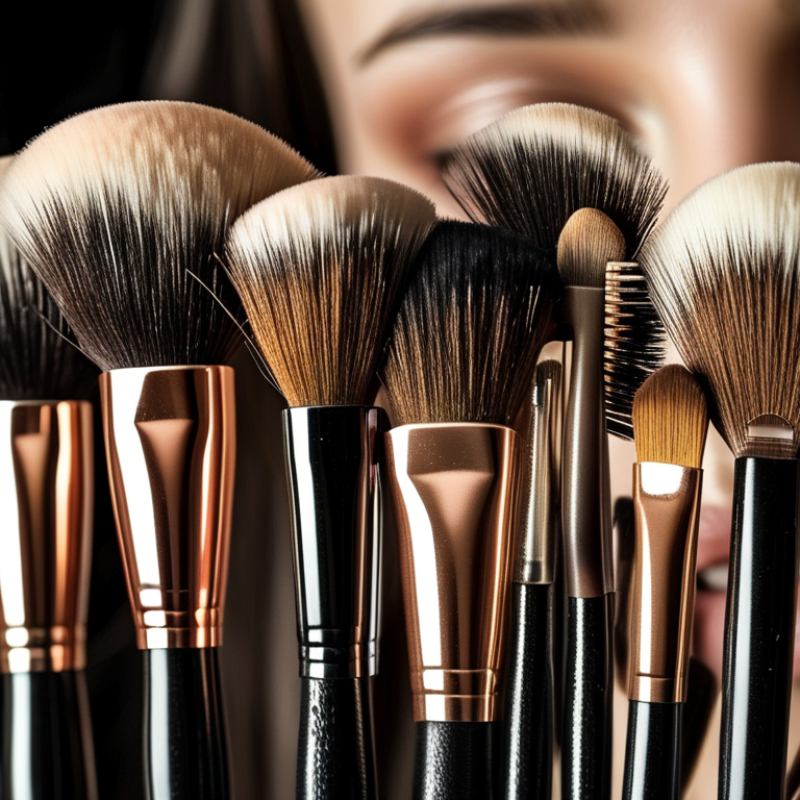
Factors Influencing the Cost of Professional Makeup Brushes
When it comes to professional makeup brushes, quality matters. Several factors influence their cost. Materials play a significant role. High-quality bristles, like natural hair or premium synthetics, are more expensive. They provide softness, durability, and better product application. The handle construction also impacts the price. Wood or metal handles often cost more due to their sturdiness and aesthetic appeal.
Manufacturing processes contribute too. Handcrafted brushes undergo meticulous quality checks, leading to higher prices. These brushes are designed for precision and performance. Moreover, brand reputation can drive costs up. Established brands with a history of excellence often charge more due to their expertise and reliability.
Tip: Don’t feel pressured to buy every brush. Start with essentials like a foundation brush, a blending brush, and a lip brush.
Tip: Remember to clean your brushes regularly. This prolongs their life and ensures better makeup application.
Investing in fewer, high-quality brushes can yield great results. Embrace the journey of finding what works for you, and don't shy away from exploring different options. Your makeup routine can become a reflection of your creativity.
Quality of Materials Used in Makeup Brush Production
When discussing the price of professional makeup brushes, the materials used are crucial. High-quality bristles are often sourced from natural fibers, such as sable or goat hair. These materials provide a superior application. They allow for better blending, which enhances the overall makeup look. Synthetic fibers can also be of high quality but are often more affordable.
Crafting these brushes demands skill and precision. Artisans take time to choose the right materials. Handcrafted brushes may carry a higher price tag, reflecting the labor involved. The ferrules and handles are also important. They are usually made from metals or hardwoods to ensure durability. This choice of materials impacts the brush's longevity and performance.
It is important to consider the value of investment in quality brushes. Cheap brushes can lead to uneven application and wasted product. Nevertheless, some may find themselves questioning if the price is truly justified. A comparison of performance and price becomes essential. The debate continues: is the splurge worth the impeccable finish? Understanding the significance of materials can guide consumers in their decision-making process.
The Role of Craftsmanship in Makeup Brush Pricing
Craftsmanship is key when it comes to the pricing of professional makeup brushes. Each brush is often handmade by skilled artisans. These artisans spend years perfecting their techniques. The materials used are also of the highest quality. Fine bristles, sturdy handles, and precise architecture are essential. This attention to detail elevates the cost.
Additionally, the craftsmanship involves meticulous quality control. Every brush undergoes several checks to assure consistency and durability. There can be slight imperfections, but experienced artisans know how to account for these. This pursuit of perfection makes each brush unique. However, it’s not always straightforward. Sometimes, the price might feel unjustifiable.
Many factors contribute to the final cost. The labor intensity also plays a role. Crafting an exceptional brush can take hours, making it laborious. With all these elements in play, the price reflects not just a tool, but a work of art. Investing in such brushes often means investing in quality. While the upfront cost is high, their longevity makes them wise purchases in the long run.
Why Are Professional Makeup Brushes So Expensive? - The Role of Craftsmanship in Makeup Brush Pricing
| Feature |
Description |
Price Range (USD) |
| Materials |
High-quality bristles made from natural hair or synthetic fibers |
$20 - $200 |
| Craftsmanship |
Handmade production ensuring precision and durability |
$30 - $300 |
| Brand Reputation |
Established brands often have higher prices due to their reputation |
$25 - $250 |
| Design Innovation |
Unique designs that enhance usability and application |
$15 - $180 |
| Longevity |
Durable materials that last longer with proper care |
$40 - $250 |
Brand Reputation and Its Impact on Makeup Brush Costs
Professional makeup brushes often come with a hefty price tag. A significant factor driving these costs is brand reputation. Well-established brands invest heavily in research and development, ensuring their products deliver exceptional performance and quality, which can justify higher prices. According to a recent industry report, nearly 75% of consumers are willing to pay more for brushes from brands with a strong reputation in makeup artistry.
These brands also benefit from endorsements by industry professionals. Celebrity makeup artists frequently showcase these brushes in tutorials and events, enhancing their desirability. A study found that products endorsed by renowned artists can see a price increase of over 30%. This perception of quality leads many consumers to choose these brushes, even if the price is a concern.
Tip: When choosing brushes, consider looking for those with solid reviews, even from lesser-known brands. They can offer excellent performance without the steep price. Remember that high cost doesn’t always equal high quality.
Another consideration is the materials used in brush construction. Natural fibers can be more expensive, as they require careful sourcing and handling. Synthetic options have improved significantly, offering durability and performance without the ethical concerns. Explore both options to find what works best for your makeup technique and budget.
Comparison of Professional Brushes vs. Drugstore Alternatives
When comparing professional makeup brushes to drugstore alternatives, the differences can be significant. Professional brushes often feature superior materials. The bristles are typically made from high-quality fibers. They blend products more seamlessly on the skin. Drugstore brushes may feel scratchy and less effective.
When choosing brushes, consider their shape and function. Each brush serves a specific purpose, whether for foundation, blush, or eyeshadow. Professional brushes often have precise designs that enhance application. In contrast, drugstore options may be bulkier and less effective for detailed work.
Tip: Always clean your brushes regularly. A clean brush applies makeup better and lasts longer. Dirty brushes can harbor bacteria and lead to skin irritations.
Investing in a few professional brushes can elevate your makeup game. However, a few good drugstore brushes can be effective too. It's essential to analyze your needs and budget. Remember, quality does not always mean a high price tag. Sometimes, mixing and matching can yield great results.
Why Are Professional Makeup Brushes So Expensive?
This chart compares the average price of professional makeup brushes to that of drugstore alternatives. Professional brushes tend to be significantly more expensive due to higher quality materials and craftsmanship, which can affect makeup application and durability.
FAQS
: Several aspects affect the price, including materials, handle construction, and manufacturing processes.
They enhance softness, durability, and application, leading to a better makeup experience.
Wooden or metal handles tend to cost more due to their sturdiness and aesthetic appeal.
They are made with precision and care, often justifying a higher price due to quality.
Start with essential brushes like foundation, blending, and lip brushes to keep it simple.
Regular cleaning prolongs brush life and ensures effective makeup application to avoid skin problems.
No, investing in a few high-quality brushes can suffice. Assess your needs and budget.
Professional brushes generally have superior materials, providing better blending and application results.
Yes, a few good drugstore brushes can work well; consider mixing both options for the best results.
Compare the brush's performance to its cost and reflect on whether it meets your application needs.
Conclusion
The cost of professional makeup brushes can often leave consumers wondering, "why are professional makeup brushes so expensive?" Several key factors influence their pricing. Firstly, the quality of materials used in production, such as high-grade bristles and durable handles, significantly impacts the overall cost. Additionally, the craftsmanship involved in creating these brushes is meticulous, with skilled artisans ensuring each brush meets high standards for performance and durability.
Furthermore, brand reputation plays a crucial role in pricing, as established brands often command higher prices due to perceived quality and exclusivity. Lastly, while drugstore alternatives may seem more affordable, they often lack the same level of precision and longevity as professional brushes. Overall, the investment in professional makeup brushes is often justified by their superior performance, durability, and the quality of materials and workmanship involved.

 NTC Beauty