Engineered for professional performance, precision application, and optimized skin wellness. Explore our core wholesale export range.
An analytical overview of makeup removal textiles, global commercial frameworks, and engineering milestones shaping B2B cosmetic sourcing.
Modern makeup remover cloths use ultra-microfibers split down to 1/100th the thickness of a human hair. This physical structure generates high capillary pressure, lifting cosmetic residues, heavy pigments, and excess sebum without chemical solvents.
International environmental directives such as European EPR regulations and North American plastic reduction acts are shifting demand away from single-use cotton pads toward multi-use, durable woven polyester and polyamide blends.
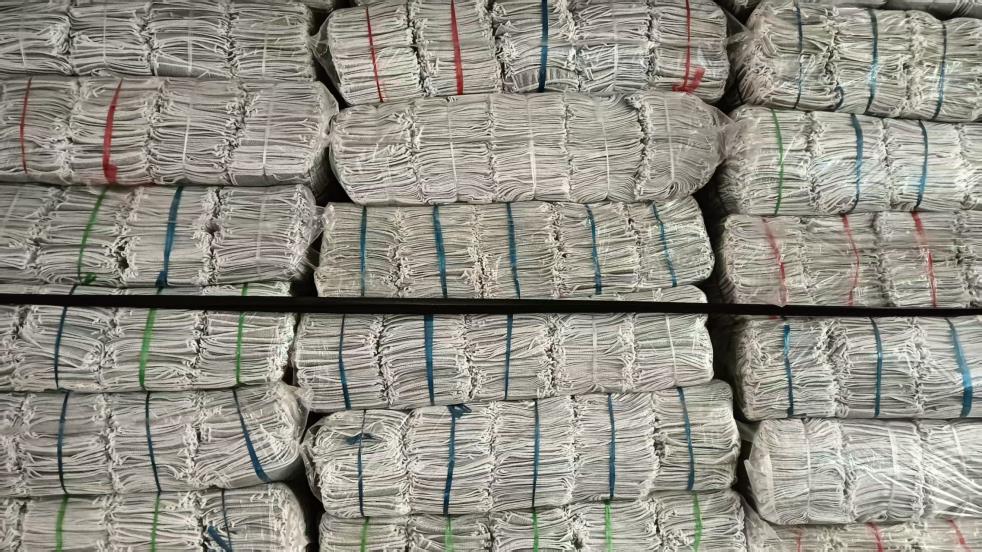
B2B importers leverage bulk shipping optimization, high-density vacuum compression packaging, and structured custom compliance (EU REACH, US FDA, OEKO-TEX Standard 100) to maintain high-margin supply pipelines.
In the contemporary global beauty sector, the convergence of bio-compatible textiles and environmental sustainability has fundamentally shifted consumer habits. Traditionally, cosmetics removal relied heavily on chemical-laden single-use wet wipes or disposable cotton pads. These legacy methods pose two primary issues: the generation of non-biodegradable waste and the exposure of the skin to harsh surfactants, alcohol, and artificial preservatives. Research indicates that persistent exposure to these agents can compromise the lipid barrier, leading to sub-clinical inflammation and heightened skin sensitivity.
Enter the reusable microfiber makeup remover cloth—a technical textile innovation designed to remove cosmetics using only water. By utilizing microfibers with an average density of less than 1.0 denier (frequently down to 0.1 or 0.2 denier), these cloths present an immense surface area contact ratio. When dry, these fibers generate a static charge that attracts particulate residue. Once saturated with water, the interstitial spaces between the split fibers generate capillary suction. This action lifts water-resistant polymers, silicones, metal oxides, and wax formulations from the follicular openings, eliminating the need for soap or chemical solvents.
The manufacturing architecture of premium makeup remover cloths involves advanced polymer chemistry. The core structure consists of a conjugate fiber extrusion containing a polyester (PET) core surrounded by polyamide (PA) segments. During the finishing stage, this conjugate fiber is treated with a chemical splitter or high-pressure water jets (hydro-entangling), causing the star-shaped polyamide segments to separate from the polyester core.
The ratio of polyester to polyamide determines the physical properties of the cloth:
Global procurement teams at enterprise retailers, luxury hotel chains, and clinical spas are realigning their sourcing strategies to support environmental initiatives. Single-use wet wipes, often composed of polyester-viscose non-woven fabrics, do not dissolve easily and contribute to microplastic accumulation in marine systems. In contrast, reusable microfiber cloths can replace up to 3,600 single-use cosmetic wipes over their typical lifecycle, presenting a compelling environmental return on investment (ROI) for eco-conscious consumer brands.
Our supply chain supports diverse industrial and commercial applications globally:
With decades of manufacturing heritage, NTC Beauty integrates advanced polymer processing, precise mechanical assembly, and strict QC protocols to support global brands.
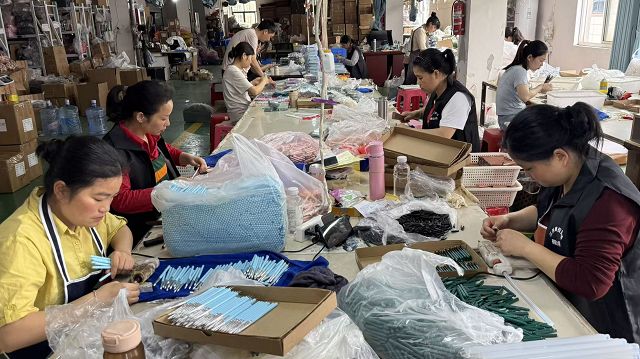
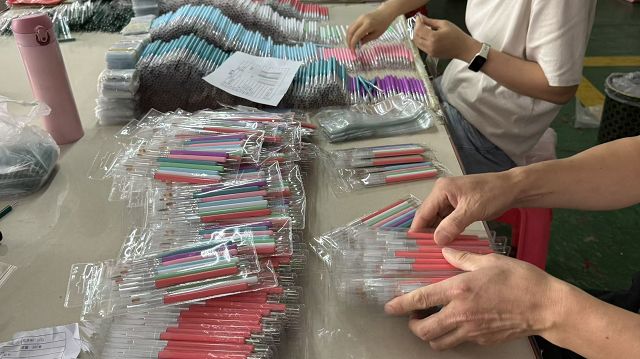
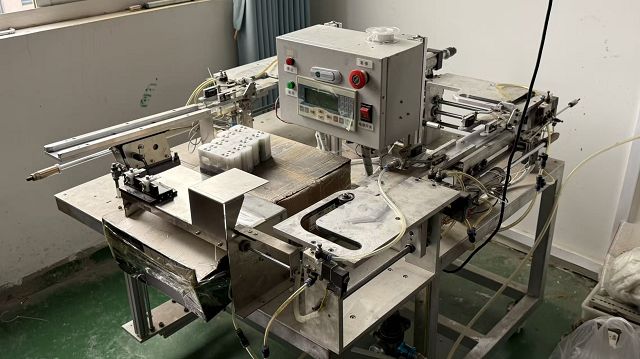
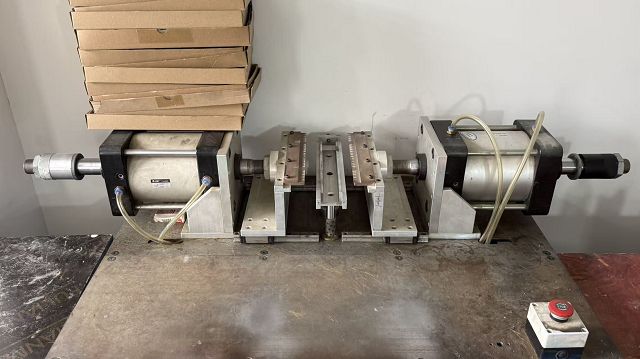
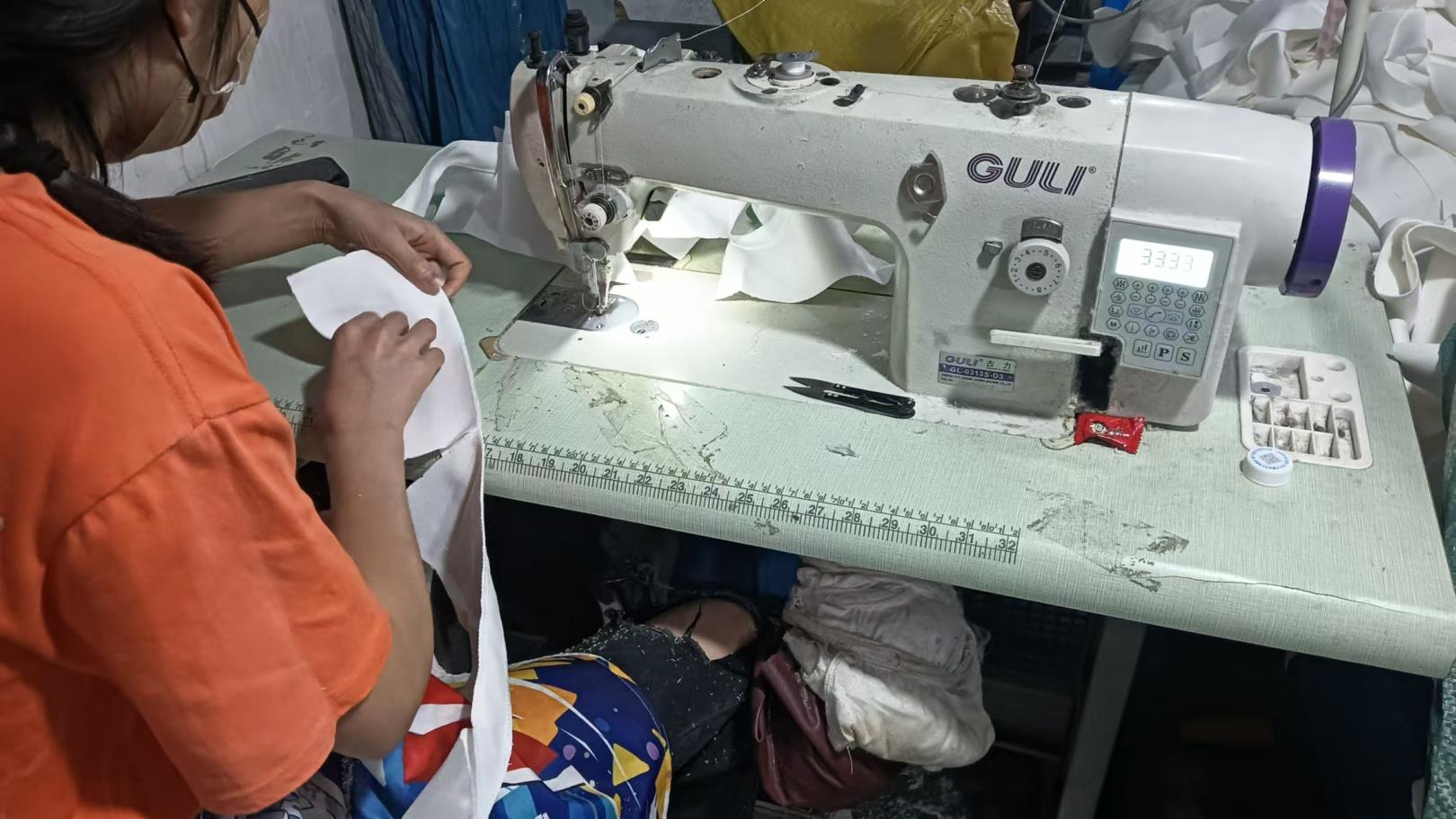
At Guangdong NTC Beauty Co., Ltd., customer satisfaction, innovation, and quality are at the core of everything we do. As a modern manufacturing enterprise, we integrate product design, R&D, manufacturing, quality control, and international sales into one complete operation. Our factory is equipped with advanced production facilities and well-organized workshops, including injection molding, aluminum ferrule manufacturing, handle processing, synthetic and natural hair processing, hair dyeing and finishing, product assembly, and packaging. Every production process is carefully managed to ensure consistent quality, precision, and efficiency.
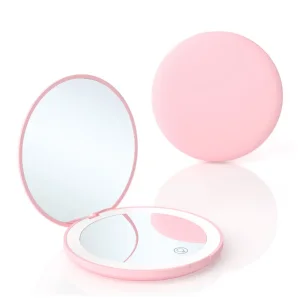
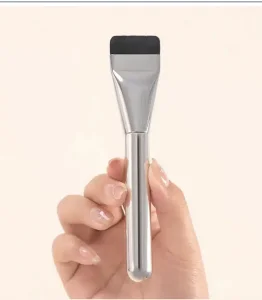
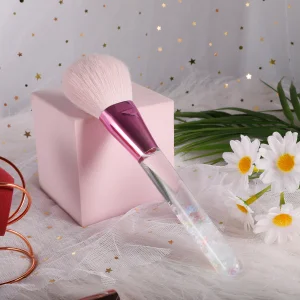
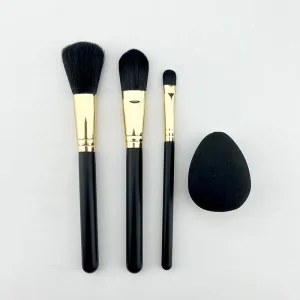
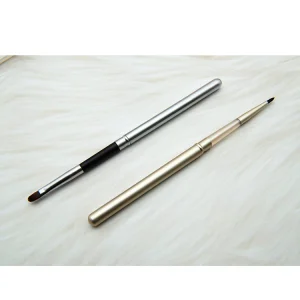
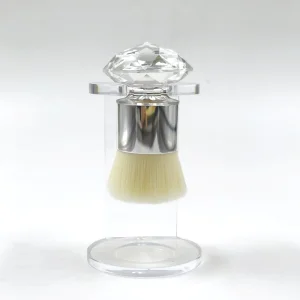
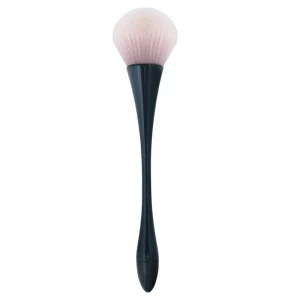
We specialize in manufacturing a wide range of beauty tools, including professional makeup brushes, makeup brush sets, cosmetic mirrors, beauty accessories, and custom beauty tools. To meet the diverse requirements of global customers, we provide comprehensive OEM and ODM services, offering customized solutions from product design and material selection to logo printing, packaging development, and mass production. Our experienced engineering and design teams work closely with customers to transform ideas into market-ready products.
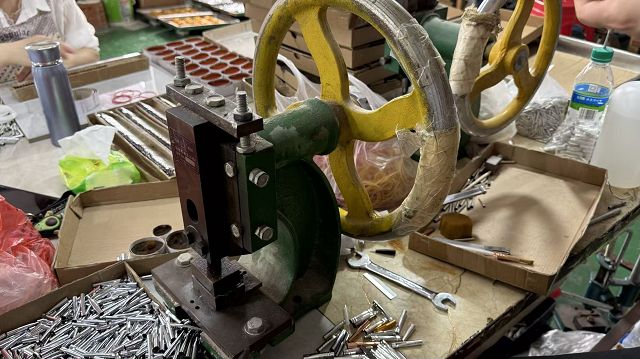
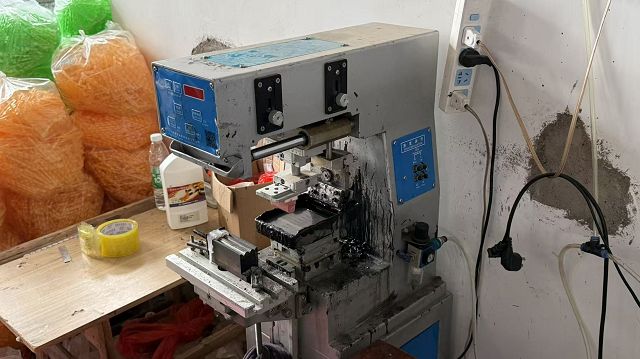
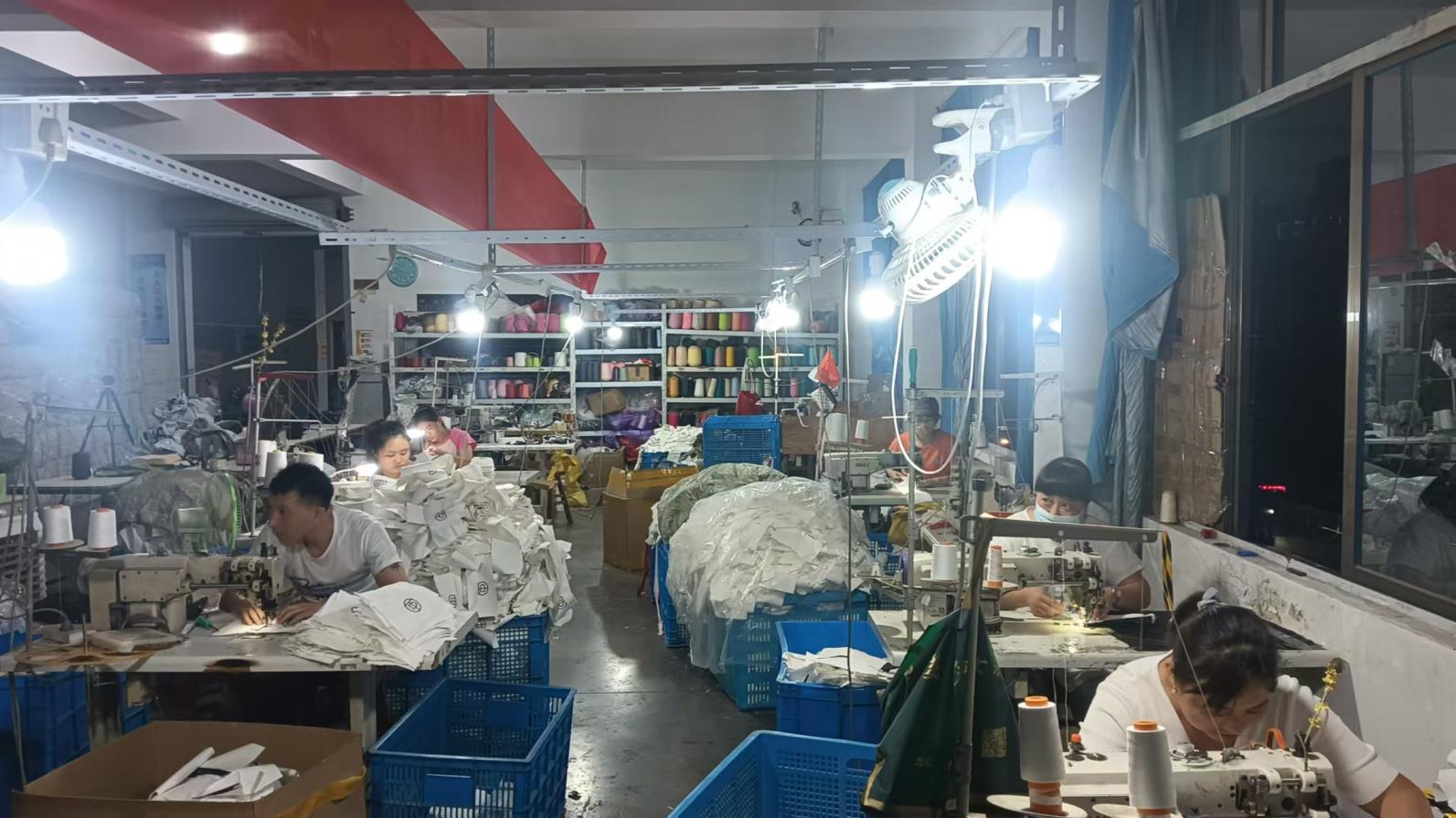
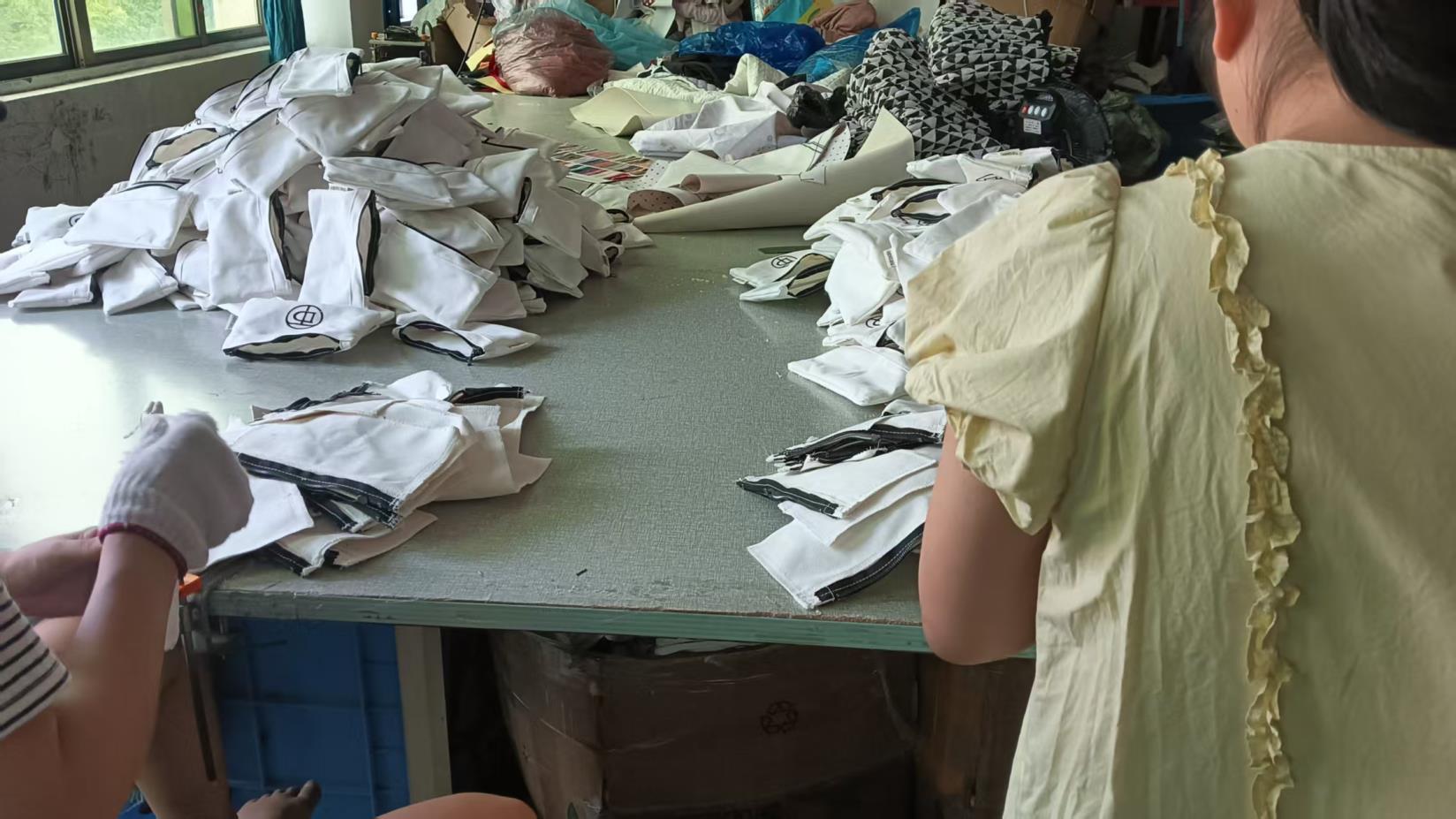
As consumer demand shifts toward circular products, NTC Beauty is actively developing next-generation cosmetic textiles. Our R&D pipeline focuses on three key innovations:
By incorporating micro-structured silver ions into the polyamide matrix during melt extrusion, we create fibers that resist bacterial proliferation. This reduces odor and minimizes skin contamination, even if the cloth is dried in a humid bathroom environment.
Polylactic Acid (PLA) fibers derived from fermented plant starch (such as corn or sugarcane) serve as a biodegradable alternative to synthetic polyester. Our research focuses on maintaining the tensile strength and wash stability of PLA to ensure it meets our lifecycle benchmark of 500 washes.
Standard mechanical splitting techniques can leave up to 15% of conjugate fibers unsplit. Our upgraded high-pressure hydro-entanglement process achieves a split rate of over 98%, producing a softer hand-feel and superior particulate pickup.
NTC Beauty maintains a strict Quality Assurance framework at every stage of production:
Addressing key technical, logistical, and material questions from international B2B buyers and sourcing managers.
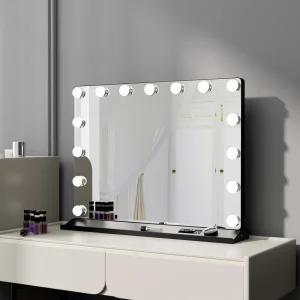
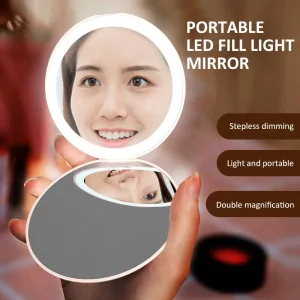
Complementing our textile products with professional-grade cosmetic applicators, specialized blending brushes, and high-clarity LED mirrors.
 NTC Beauty