Explore our newly engineered range of cosmetic application accessories and optical alignment mirrors built for global brands.
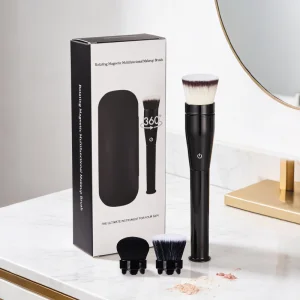
Private Label Waterproof 3 in 1 Magnetic Replaceable Synthetic Head Electric Rotating Makeup Brush
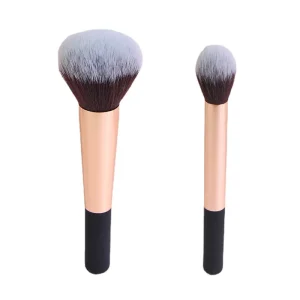
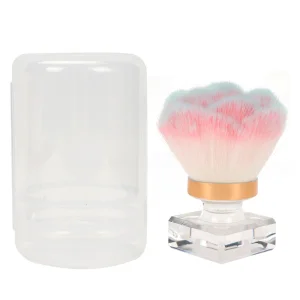
High Quality Loose Powder Brush Blush Brush with Highlighter
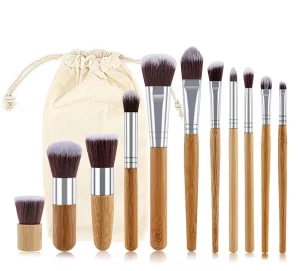
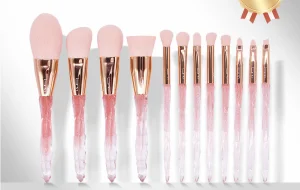
12PCS Makeup Brush Set Powder Blush Eyeshadow Brush Concealer Brush Makeup Brush
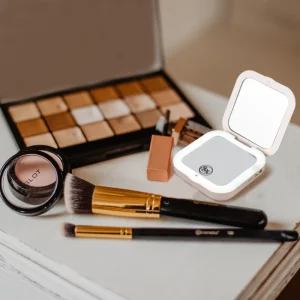
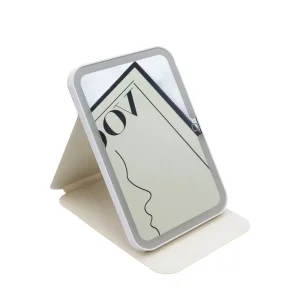
Power Bank 1X/5X Magnification LED Compact Travel Makeup Mirror with Light Gms301
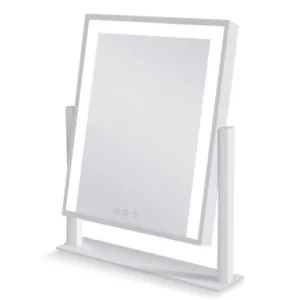
In the modern luxury personal care and beauty tech ecosystem, the role of optical instruments has transitioned from simple glass sheets to high-precision electro-optical systems. Tri-fold vanity mirrors stand at the convergence of ergonomic industrial design, high-efficiency illumination, and structural engineering. Product sourcing directors, global retail brands, and cosmetic organizations face a complex procurement environment where structural durability, electro-magnetic compatibility (EMC), photobiological safety (CRI/Ra values), and supply chain continuity are paramount.
This whitepaper acts as an authoritative operational guide for global buyers evaluating OEM/ODM Tri-Fold Mirror Manufacturers. It explores the engineering parameters required to elevate raw materials into market-dominating retail units, highlights the structural capacity of manufacturing clusters in Southern China, and provides clear criteria for auditing factories to ensure compliance, design integrity, and optimized bottom-line margins.
Understanding regional demand patterns and the technical complexities of localized application scenarios.
Driven by professional aesthetic channels, high-end e-commerce private labeling, and smart-home luxury vanity upgrades. Sourcing specifications emphasize integrated LED lighting, smart touch sensors, step-less dimming, and UL-listed lithium-ion battery integration (UN38.3 compliance).
Strong focus on ecological metrics. Buyers look for lead-free, copper-free eco-glass, bio-degradable casing options or PCR (Post-Consumer Recycled) plastics, and highly energy-efficient LED modules meeting the strict European Union energy labeling frameworks.
Driven by high-density urban living. Demands are highly oriented toward space-saving form factors. Ultra-thin profiles, lightweight structures, and rechargeable, dual-purpose functional configurations (such as power-bank mirrors and multi-panel integrations) are high-performing SKUs.
A Decade of Precision Engineering in Cosmetic Accessories and Optoelectronic Instruments
Established as a professional beauty tools innovator, Guangdong NTC Beauty Co., Ltd. has grown to operate integrated manufacturing processes spanning natural and synthetic polymer hair processing, precision injection molding, and sophisticated optoelectronic mirror production lines. Our facility bridges the gap between mechanical durability and the sensory requirements of cosmetic devices.
By leveraging regional clusters of electronic development and optical components in Guangdong, we offer direct access to high-grade glass processing, high-density surface mount technology (SMT) for LED boards, and modern casing manufacturing. From global retail brands seeking custom packaging to professional cosmetics houses needing precise color temperatures (CCT 3000K–6500K), our engineering department controls every phase of the value chain.
Ensure product longevity and brand reputation by standardizing performance benchmarks.
Standard cosmetic mirrors suffer from color shifts due to sub-standard LEDs. True commercial-grade tri-fold mirrors feature SMD2835 LEDs with a Color Rendering Index (Ra) > 95 and TLCI > 97. This assures naturalistic skin tone assessment. Dimming should be controlled via continuous PWM (Pulse Width Modulation) to eliminate visible flickering on camera screens.
To prevent premature degradation, moisture spots, and chromatic distortion, the reflection panel must be constructed using high-transmittance float glass with a multi-layered coat: a dual-pass silver mirror layer, a passivation film, and a double-pass waterproof protective paint. This is essential for bathroom environments.
The central point of failure in tri-fold mirrors is the hinge articulation. Low-quality plastics result in loose side panels within months. High-quality construction utilizes mechanical-grade ABS (Acrylonitrile Butadiene Styrene) structural frames reinforced with dual-axis metal pins or POM (Polyoxymethylene) self-lubricating hinges to maintain precise positioning.
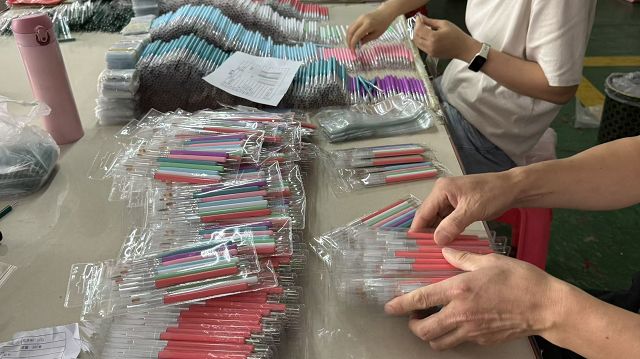
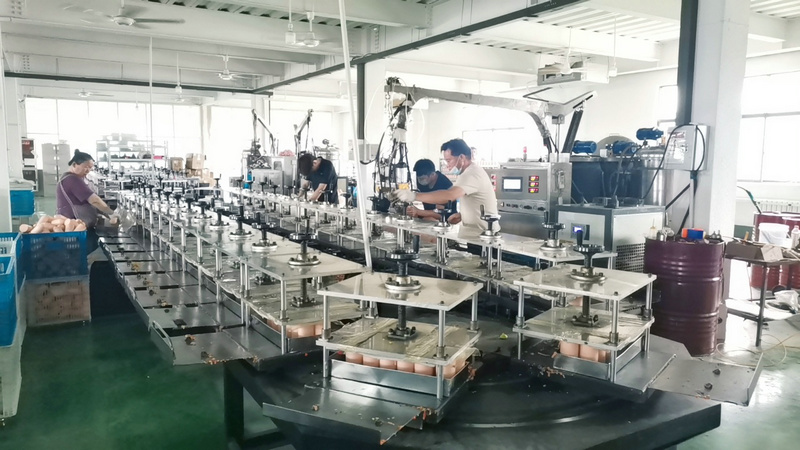
Inside the production facility of Guangdong NTC Beauty Co., Ltd.
To guarantee consistent scale, dimensional accuracy, and strict quality control, our production plant operates specialized machining centers. By integrating automatic assembly processes with manual checkups, we bridge mechanical scaling with high-detail aesthetics. Below is an overview of our operational facilities and assembly stations.





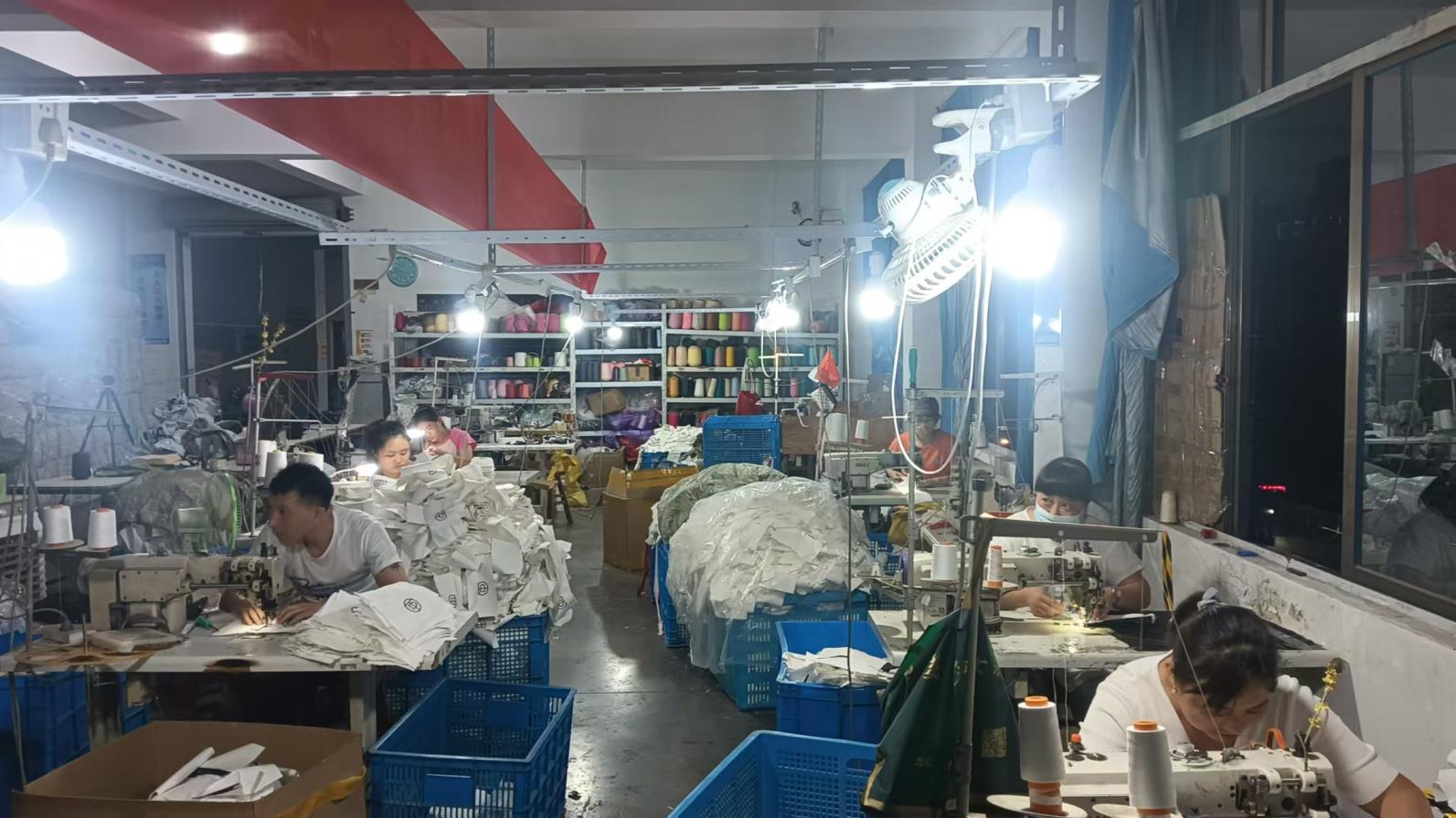


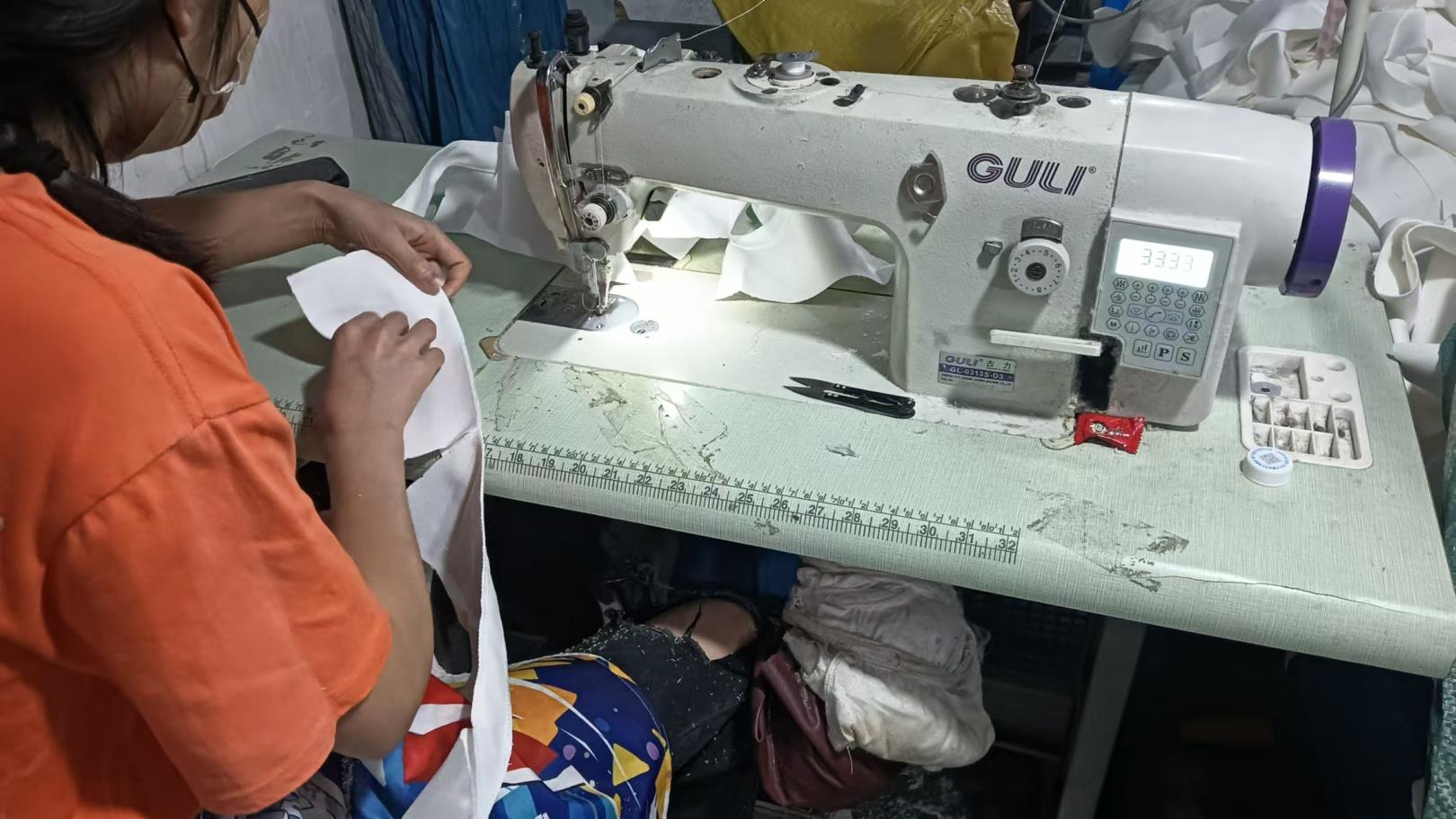
How we transform retail specifications into robust manufacturing layouts.
For global brands, sourcing off-the-shelf components is insufficient to establish retail separation. We structure our OEM and ODM services around a rigorous path designed to protect IP, guarantee tolerances, and ensure compliance.
Our QA protocols conform to MIL-STD-105E inspection levels. Every production run undergoes structural stress tests, salt-mist environmental exposure testing to guarantee anti-rust properties, drop-testing from 1.2 meters in specialized structural retail packaging, and continuous illumination load testing to monitor thermal management.
This high-standard qualification flow guarantees that our cosmetic mirrors and beauty brush kits pass major retail audits worldwide (such as Target, Sephora, Boots, and Watson's).
Key information to address common operational concerns raised by procurement officers and product managers.
From precision tools to custom mirrors, view our complete range of design-focused vanity accessories.
 NTC Beauty